
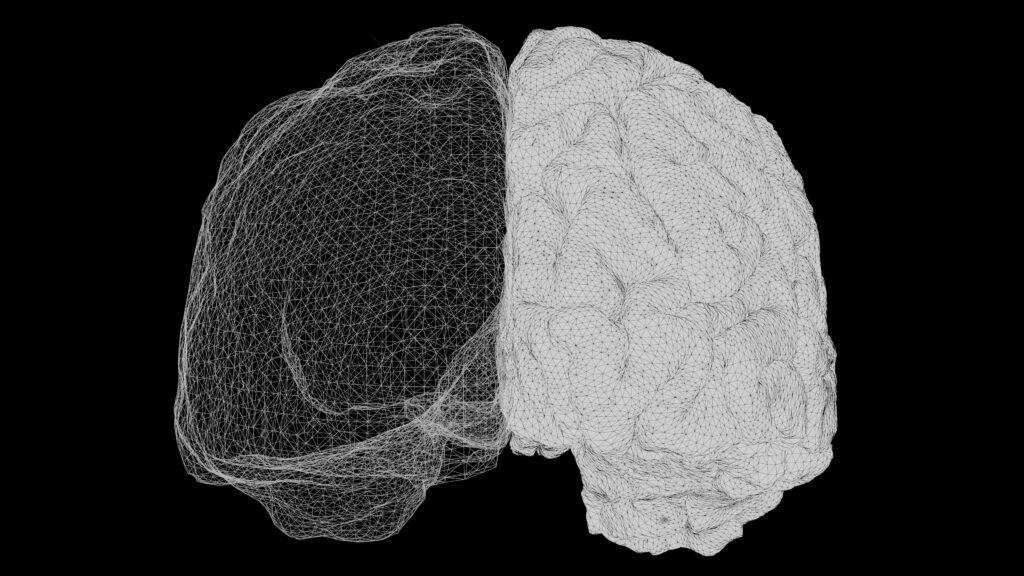
Long-term, excessive alcohol use can cause significant changes to the structure and functioning of the brain. This condition is often described as Alcohol Related Brain Injury (ARBI) and can have important implications for how individuals think, remember, behave and make decisions.
Understanding the neurological basis of ARBI can help us recognise when a client’s difficulties may reflect brain injury rather than non-cooperation or unreliability.
Alcohol Related Brain Injury is often misunderstood because its symptoms overlap with other mental health or cognitive conditions, but it does have a clear neurological basis.
Direct Toxic Effects on Brain Tissue
Alcohol is a neurotoxic substance. Prolonged exposure can damage neurons (brain cells) and disrupt the connections between them.
One of the structural changes observed in long-term alcohol misuse is cerebral atrophy, which refers to a reduction in brain volume. This occurs when neurons shrink or are lost and when the networks connecting brain cells deteriorate.
Nutritional Deficiency and Brain Damage
Alcohol misuse also interferes with the body’s ability to absorb and process essential nutrients. Chronic alcohol use can damage both the gastrointestinal system and the liver, impairing the body’s capacity to absorb, store and release nutrients required for healthy brain function.
One of the most critical nutrients affected is Thiamine (Vitamin B1).
Thiamine cannot be produced by the body and must be obtained through diet or supplementation.
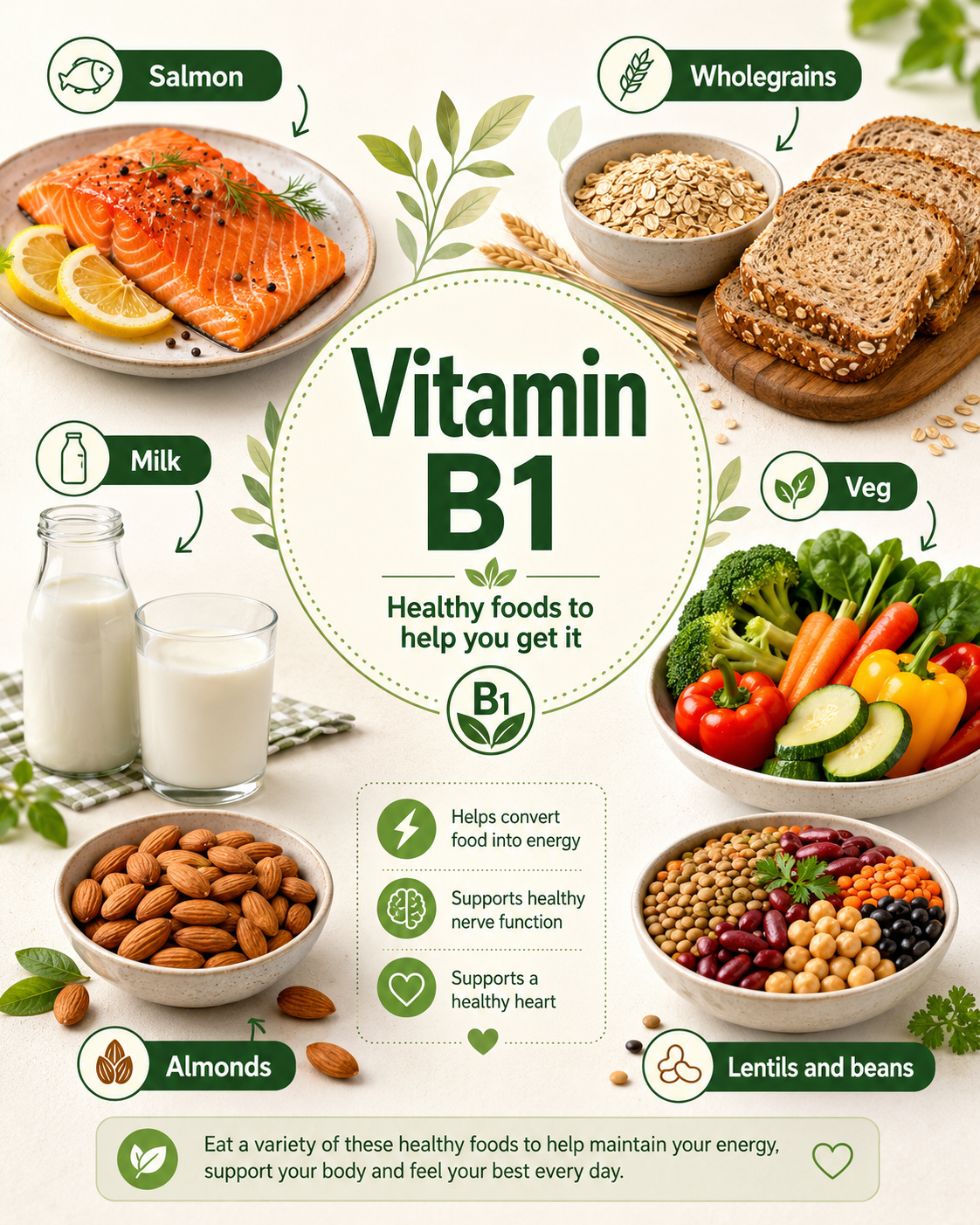
It plays a vital role in enabling the brain to convert glucose into energy. Because the brain has very high energy demands, it is particularly vulnerable to thiamine deficiency.
When thiamine levels are depleted, brain cells are unable to produce sufficient energy to function effectively. This can lead to rapid neuronal injury and cell death.
Disruption of Neurotransmitter Systems
Thiamine is also essential for the production and regulation of neurotransmitters.
Neurotransmitters are the chemical messengers that allow neurons to communicate with one another. They are essential for transferring information in our brains. They translate electrical signals into: thoughts, memories, emotions, movement and behaviour.
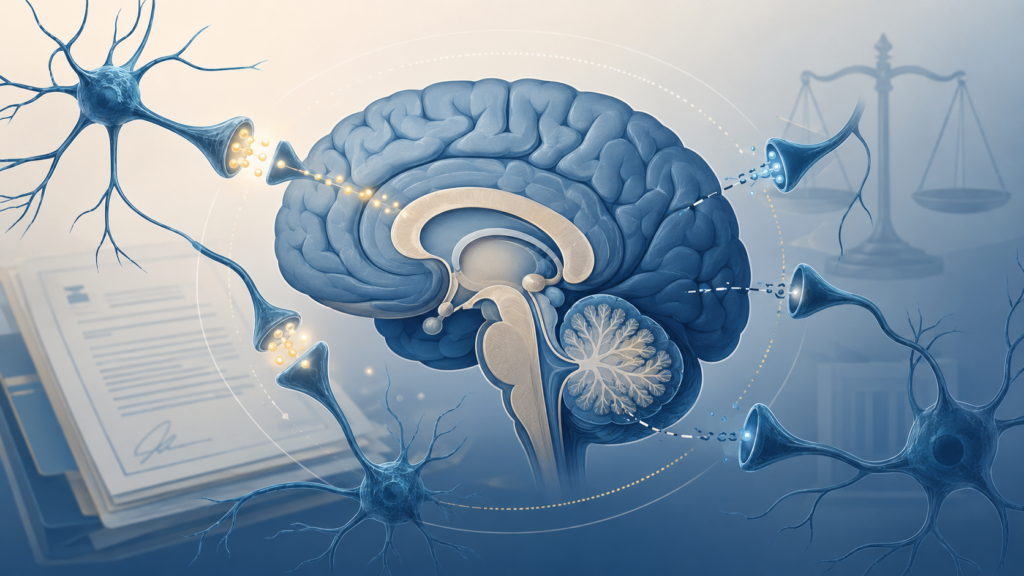
Imbalances in neurotransmitter levels prevent proper communication between neurons, resulting in widespread dysfunction of neural connectivity.
Damage to Myelin and Neural Signalling
Thiamine also plays a protective role in maintaining myelin, the insulating sheath that surrounds nerve fibres.
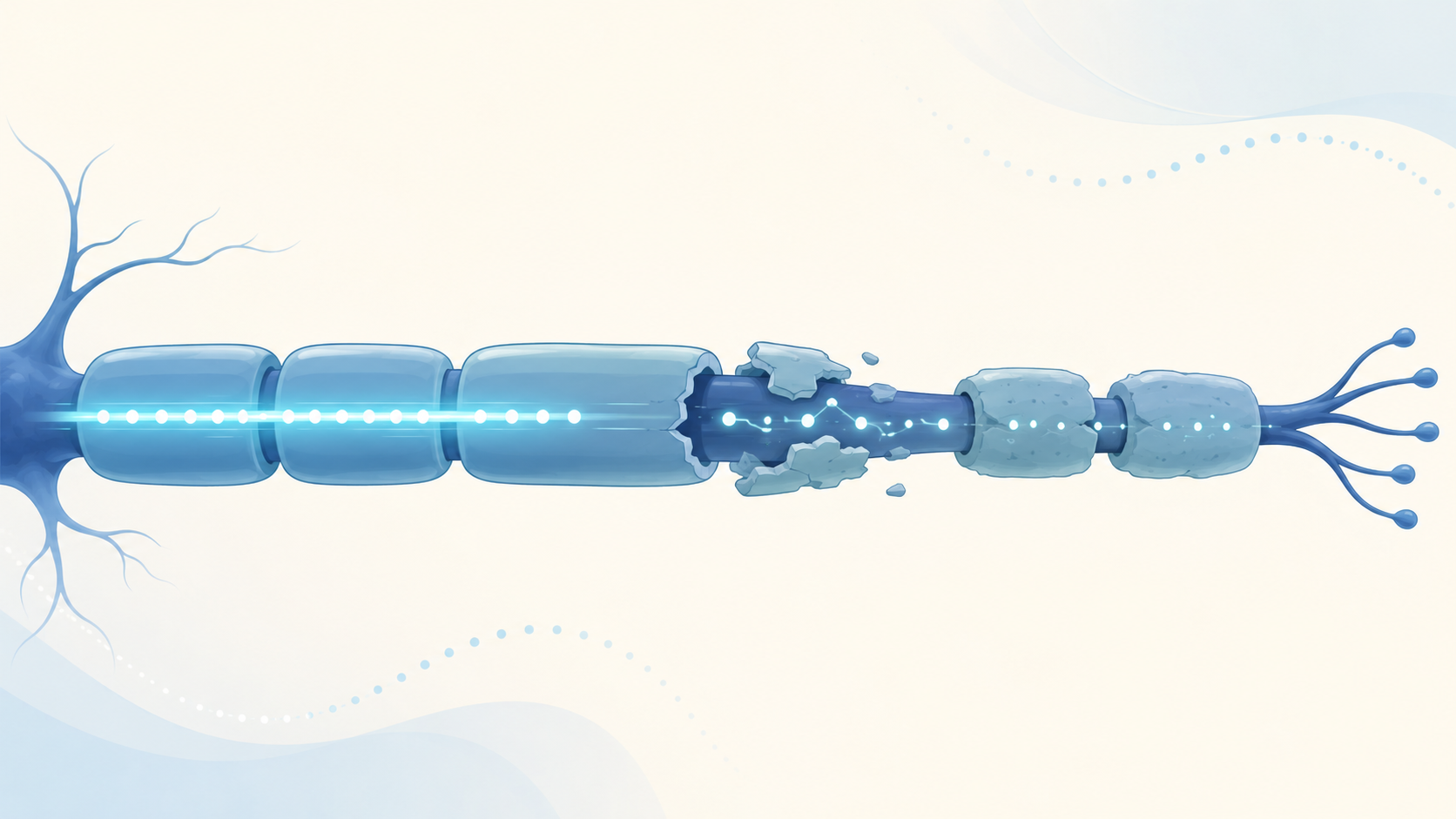
Myelin is the insulating sheath that surrounds nerve fibres. It allows electrical signals to travel rapidly and efficiently along neural pathways. When myelin becomes damaged, the transmission of signals between brain regions becomes slower and less coordinated.
This disruption in neural signalling contributes to the cognitive, behavioural and motor difficulties often observed in individuals with alcohol related brain injury.
Additional Nutritional Loss Through Gastrointestinal Disturbance
Alcohol misuse frequently causes gastrointestinal problems such as vomiting and diarrhoea, which can further deplete the body of nutrients including thiamine.
This creates a cycle in which nutritional deficiencies worsen neurological damage, further impairing brain function.
The Brain Areas Most Affected
ARBI can affects areas of the brain responsible for:
- Memory
- Executive functioning
- Emotional regulation
- Decision making
- Motor functions including movement, balance & co-ordination
- Communication
This means individuals may struggle with:
Remembering conversations you have previously had, giving a detailed recount of events in their life along a reliable timeframe, learning new information you have given, remembering their appointments.
Planning and organising themselves. They may appear disorganised and unprepared, not having acted, or followed through, on instructions or advice.
Awareness and Insight into their cognitive impairment. Some individuals with damage affecting their frontal lobes can often possess preserved language skills and can communicate articulately in conversational settings. However, due to the important role our frontal lobes have, a paradox arises because in spite of preserved communication skills they can fail to manage their tasks of daily living. This can present as poor self-care or self-neglect, a vulnerability to social, financial or sexual exploitation, poor judgement, behavioural disinhibition or impulsivity. This is often known as The Frontal Lobe Paradox.
Regulating emotions. Emotional reactions may appear disproportionate to the situation, may be poorly matched to the social situation, appear to disregard the responses or reactions of others and may have difficulty down-regulating their emotions successfully. This can result in repeated alterations with others or encounters with the Police.
Communicating. This can include Receptive difficulties (i.e. fully understanding what they’ve been told) and/or Expressive difficulties (i.e. ability to express complex thoughts and information).
Motor Control. This can present as Tremors (particularly on movement but also at rest), Ataxia (difficulty with balance, an unsteady wide gait, limb movements may appear uncoordinated), Peripheral Neuropathy (difficulty maintaining balance, limb weakness).
A person with ARBD may appear:
- intoxicated when they are not
- unsteady or physically impaired
- slow to respond or react
- poorly coordinated or confused
Without awareness of ARBI, these impairments can be misinterpreted as clients appearing uncooperative or unreliable, but in reality, they can reflect an underlying neurological injury.
In legal contexts, these impairments may influence a client’s capacity to instruct solicitors or ability to engage effectively in legal proceedings.
For this reason, recognising the neurological basis of alcohol related brain injury is important for solicitors working with vulnerable clients. Greater awareness can help ensure that cognitive impairment is identified appropriately and that individuals receive the support or assessment they may require.
If you have concerns about your client, and believe they would benefit from a neuropsychological assessment, you can reach out with instructions to admin@psychologicalpathways.com or make a referral via our website here